
The conversation around aesthetic treatments has shifted dramatically over the past decade. Where patients once waited until deep lines and volume loss demanded intervention, today’s 20 and 30-somethings approach anti-aging proactively. As I consult with increasingly younger patients at The Kole Plastic Surgery Center, I’ve witnessed firsthand how preventative treatments can maintain youthful appearance far more effectively than trying to reverse established signs of aging.
This generational shift reflects more than changing beauty standards or social media influence. It represents a fundamental understanding that prevention requires less intervention than correction. Just as we’ve embraced preventative medicine, skincare, and fitness, the aesthetic industry has evolved to offer treatments that maintain rather than repair. However, with this evolution comes important questions about timing, appropriateness, and realistic expectations that deserve thoughtful consideration.
Understanding the Prevention Paradigm
The concept of preventative aesthetics rests on solid scientific foundation. Dynamic wrinkles – those caused by repetitive muscle movement – begin as fine lines visible only during expression. Over years, these deepen into static wrinkles present at rest. By relaxing specific muscles with neurotoxins like Botox before lines become etched, we can prevent or significantly delay their formation.
Research published in the Archives of Facial Plastic Surgery demonstrated that patients who began Botox treatments before static wrinkles developed maintained smoother skin with less product over time compared to those starting treatment after wrinkles established. This “prejuvenation” approach actually proves more cost-effective long-term while preserving natural facial movement and expression.
Similarly, addressing early volume loss with strategic filler placement maintains facial structure before significant descent occurs. The gradual volume depletion beginning in our late 20s accelerates through our 30s, affecting temples, cheeks, and lips. Small amounts of filler replacing lost volume as it occurs prevents the dramatic changes that eventually require more extensive intervention.
According to the American Society of Plastic Surgeons, patients under 35 now represent the fastest-growing demographic for minimally invasive procedures, with a 87% increase in neurotoxin treatments among millennials over the past five years. This trend reflects not vanity but strategic investment in long-term appearance maintenance.
Finding Your Starting Point
The question I hear most from younger patients is “When should I start?” The answer depends entirely on individual anatomy, genetics, lifestyle, and goals. Rather than prescribing arbitrary ages, I evaluate each patient’s unique aging patterns and risk factors. Some 25-year-olds show early crow’s feet from sun exposure and squinting, while some 35-year-olds maintain completely smooth skin.
For Botox, I typically see patients beginning treatment when they notice lines lingering briefly after expression. This might occur as early as mid-20s for those with expressive faces or strong muscle movement. Starting treatment at this stage requires minimal product and provides maximum preventative benefit. Common areas include the glabella (between eyebrows), forehead, and crow’s feet – areas where repetitive movement creates predictable wrinkle patterns.
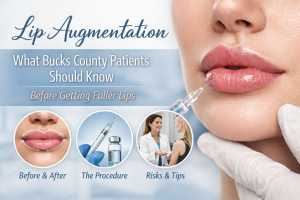
Filler timing varies more dramatically based on individual facial structure and volume distribution. Patients with naturally thin lips might benefit from subtle enhancement in their 20s, while those with full features may not need lip filler until much later, if ever. Early volume loss in temples or cheeks, often genetic, may warrant addressing in early 30s to maintain facial proportions.
During consultation, I analyze facial movement patterns, skin quality, and structural aging to create personalized recommendations. Photos of parents and older siblings help predict future aging patterns. Lifestyle factors like sun exposure, smoking, and stress accelerate aging and may indicate earlier intervention benefits. The goal is identifying the optimal window where minimal treatment provides maximum long-term benefit.
Budget-Smart Approaches for Younger Patients
Financial considerations often concern younger patients exploring preventative treatments. Student loans, establishing careers, and other priorities compete for discretionary income. I’ve developed strategies helping patients access treatments within realistic budgets while maximizing results.
Starting with single areas rather than full-face treatment reduces initial investment while addressing primary concerns. Many patients begin with glabella Botox to prevent “elevens” between eyebrows – often the first area showing expression lines. This focused approach costs less than treating multiple areas while providing noticeable improvement. As budgets allow, additional areas can be added strategically.
Membership programs and package pricing make treatments more accessible. Many practices, including ours, offer programs spreading costs through monthly payments while providing member benefits. Banking treatments by purchasing during promotional periods allows patients to maintain results affordably. Some patients coordinate treatments with tax refunds or bonuses, planning their aesthetic budget like other annual expenses.
Extending treatment intervals represents another cost-saving strategy. While Botox typically lasts 3-4 months, some patients maintain results longer with consistent treatment. I work with patients to find their optimal treatment frequency, sometimes discovering 4-5 month intervals maintain desired results. Quality skincare between treatments also extends results and may delay need for additional procedures.
Developing Your Long-Term Maintenance Plan
Successful preventative aesthetics requires thinking beyond individual treatments to long-term strategy. During initial consultations with younger patients, I develop maintenance roadmaps projecting treatment needs over coming decades. This planning helps patients understand investment requirements and set realistic expectations for ongoing maintenance.
For patients starting Botox in their late 20s, typical maintenance involves treatments every 3-4 months initially, potentially extending to every 4-6 months as muscles adapt. Annual costs range from $800-2,000 depending on areas treated and individual metabolism. Over 10 years, this investment often totals less than correcting established wrinkles would require, with superior aesthetic outcomes.
Filler maintenance varies based on product choice and treatment areas. Hyaluronic acid fillers in lips typically require touch-ups every 6-12 months, while cheek and temple enhancement may last 12-24 months. Starting with conservative volumes and building gradually creates natural results while managing costs. Annual filler budgets for preventative treatment typically range from $1,000-3,000.
I encourage patients to view aesthetic treatments like other routine maintenance – similar to dental cleanings, hair appointments, or gym memberships. Building treatments into annual budgets prevents financial stress while ensuring consistent results. Many successful maintenance patients allocate monthly amounts toward their aesthetic goals, making treatments feel manageable rather than burdensome.
Addressing Gender-Specific Concerns
While preventative aesthetics attracts both genders, men and women often present different concerns and goals requiring tailored approaches. Women typically focus on preventing fine lines, maintaining lip volume, and preserving overall facial softness. Their treatment plans often emphasize subtle enhancement maintaining feminine features while preventing visible aging signs.
Male patients increasingly recognize that looking refreshed impacts professional success. Their concerns center on maintaining strong, masculine features while preventing deep furrows that convey stress or anger. I approach male preventative treatments conservatively, focusing on softening rather than eliminating expression lines. Common areas include horizontal forehead lines and crow’s feet, with careful attention to maintaining natural movement.
Dosing differs between genders due to muscle mass variations. Men typically require 20-30% more Botox to achieve similar results, impacting treatment costs. However, their results often last longer due to less frequent facial expression in some areas. Male patients also metabolize fillers differently, requiring specific product selection and placement techniques to maintain masculine aesthetics.
Social acceptance has shifted dramatically for men seeking aesthetic treatments. According to the American Society of Plastic Surgeons, male Botox treatments increased 381% over the past two decades. Younger men view preventative treatments as grooming rather than vanity, similar to skincare or fitness routines. This normalization encourages early intervention when treatments require minimal product for maximum benefit.
Navigating Social Media Influence
Today’s younger patients arrive educated but sometimes misinformed by social media content. Instagram and TikTok showcase dramatic transformations and trending treatments without context about appropriateness or realistic outcomes. Part of my role involves helping patients separate social media fantasy from achievable reality.
The “Instagram face” phenomenon – overfilled lips, extremely high cheekbones, and frozen foreheads – often results from excessive treatment at young ages. These looks photograph well with filters but appear unnatural in person and age poorly. I counsel patients against chasing trends that don’t suit their features or age. The goal of preventative treatment is maintaining your unique beauty, not transforming into someone else.
Social media also creates unrealistic timeline expectations. Filtered photos and strategic angles make results appear more dramatic than reality. I show actual patient results during consultations, emphasizing that good preventative work should be subtle. Friends and family should notice you look “refreshed” or “well-rested,” not obviously treated.
However, social media has positively impacted aesthetic medicine by reducing stigma and encouraging open discussion. Younger patients feel comfortable seeking treatments their parents’ generation kept secret. This transparency allows better education about appropriate timing and realistic expectations. I encourage patients to follow board-certified injectors sharing educational content rather than influencers promoting unrealistic standards.
Setting Realistic Expectations
The key to satisfaction with preventative treatments lies in setting appropriate expectations from the start. Younger patients sometimes expect dramatic transformations when their age requires only subtle enhancement. I spend considerable consultation time ensuring patients understand what treatments can and cannot achieve at their age.
Preventative Botox won’t eliminate all facial movement – and shouldn’t. The goal is softening lines while maintaining natural expression. Patients in their 20s and early 30s need minimal product to achieve this balance. Over-treatment at young ages creates unnatural appearance and may accelerate volume loss in some areas. I often start with less product than patients request, allowing them to assess results before adding more.
Filler expectations require similar calibration. Enhancing already-youthful features differs from restoring lost volume. A 25-year-old seeking lip filler needs subtle enhancement complementing their features, not the dramatic volume appropriate for addressing age-related lip thinning. I often use computer imaging to demonstrate realistic outcomes, helping patients visualize appropriate enhancement for their age.
Long-term commitment represents another crucial expectation. Preventative treatments aren’t one-time fixes but ongoing maintenance. Patients must understand and accept this commitment before beginning treatment. Those expecting permanent results or unable to maintain regular treatments might benefit from waiting until they’re ready for ongoing investment.
Making Informed Decisions
The decision to begin preventative treatments deserves careful consideration beyond aesthetic goals. I encourage younger patients to examine their motivations, ensuring treatments align with personal values rather than external pressures. The best candidates approach treatments as one component of overall self-care, not a solution to deeper insecurities.
Financial preparedness matters equally. Starting treatments you cannot maintain creates frustration and potentially worse appearance than never treating at all. I’d rather patients wait until they can comfortably afford regular maintenance than struggle financially for aesthetic treatments. Many successful patients spent months or years planning before beginning treatment.
Choosing qualified providers becomes even more critical for younger patients. Inappropriate treatment at early ages can accelerate aging or create unnatural appearance requiring correction. Board certification, aesthetic training, and conservative philosophy should guide provider selection. The cheapest option rarely provides best long-term value, especially for preventative treatments requiring ongoing relationship with your provider.
Summary: Strategic Prevention for Lasting Beauty
Preventative Botox and fillers represent a paradigm shift in aesthetic medicine, offering younger patients the opportunity to maintain rather than restore youthful appearance. When approached thoughtfully, these treatments provide excellent long-term value while preserving natural beauty. Key considerations include:
- Starting when early signs appear, not at arbitrary ages
- Developing realistic budgets and maintenance plans
- Choosing conservative approaches maintaining natural expression
- Understanding gender-specific treatment needs
- Filtering social media influence through realistic expectations
- Committing to ongoing maintenance for optimal results
The decision to begin preventative treatments should reflect individual goals, financial readiness, and realistic expectations rather than social pressure or arbitrary timelines. When these factors align, early intervention can successfully maintain youthful appearance while requiring less product and investment than eventual corrective treatments.
At The Kole Plastic Surgery Center, I’m committed to helping younger patients make informed decisions about preventative treatments. As a double board-certified plastic and reconstructive surgeon, I provide honest assessments about timing, appropriateness, and realistic outcomes.
If you’re considering preventative Botox or fillers, call 215-315-7655 to schedule a consultation. Together, we’ll determine if you’re ready to begin your prevention journey and develop a sustainable plan maintaining your natural beauty for decades to come.